Crownplay Login In France: Simple Access

Available in France, Crownplay helps adult players connect, manage their account, and maintain controlled sessions.

Fortune Gems 2 Slot

Table of Contents

  • The Dog House Megaways Slot
  • Lucky Joker 10 Extra Gifts Slot
  • Sword of Ares Slot
  • Floating Dragon Hold & Spin Slot
  • Leprechaun Riches Slot
  • Fruit Cocktail Slot
  • The Dog House Megaways Slot
  • Sword of Ares Slot
  • Fruit Million Slot
  • The Dog House Megaways Slot
  • Fruit Box Slot
  • Big Fisherman Slot
  • Seven Books Unlimited Slot
  • Crownplay Fortune Slot
  • Sword of Ares Slot
  • Floating Dragon Hold & Spin Slot
  • 9 Mad Hats Slot
  • Floating Dragon Hold & Spin Slot
  • Big Bass Splash Slot
Login 1

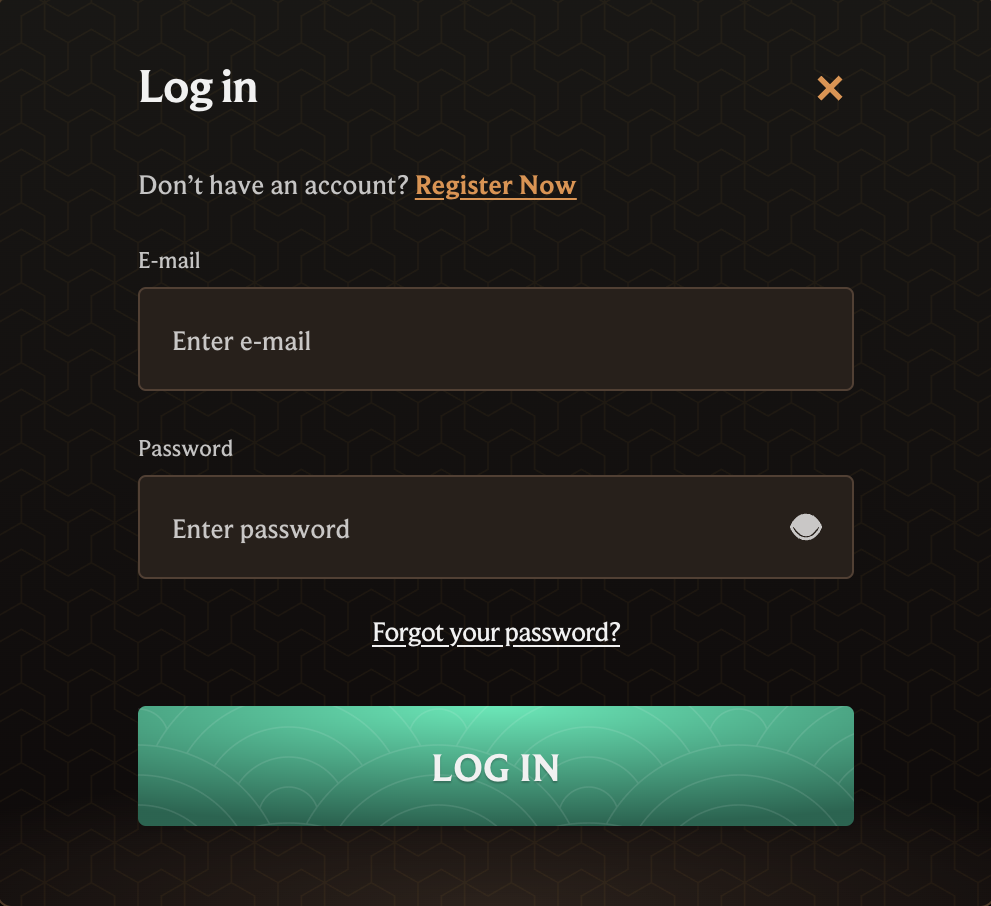
Logging in: a calm journey

Logging in is often an "automatic" action. Until the day it blocks. Imagine you have ten minutes before an appointment: you open the page, the password doesn't work, and the temptation is to try again quickly, over and over. In this scenario, the right reflex is not to insist, but to put things in order: check the keyboard, the connection, then only try again cleanly.

The first useful step is to reduce variables. Use a single device, a single browser, and avoid opening multiple tabs. Many problems come from a mix: an old browser cache, autocorrect on mobile, or a keyboard language that switched without you noticing. Two seconds of observation can prevent half an hour of frustration.

Once in your personal space, don't head straight for the games. Do a mini check: notifications enabled, account settings, recent history. In 2026, the simplest habit for playing calmly is to learn where the information that protects you is located when you need it.

And above all, log out properly. It seems basic, but imagine a session started on a shared computer: you close the tab, not the session, and the next person finds an already open page. Complete logout isn't an option "for paranoids"; it's common sense for an adult-only service.

Account security and settings before playing

Security isn't a speech; it's a routine. Imagine receiving a login notification when you're not opening your account: if your settings are clear, you immediately know what to do. If everything is unclear, you waste time doubting, and that's when bad decisions happen.

Login 2

In France, access to this type of platform is subject to applicable rules and age restrictions. This means something very concrete: take a few minutes to set up your safeguards. Not "one day," not "later." Right now, while you're calm.

Notifications and recent connections: the radar

Imagine the scene: you're commuting, you open your account on your phone, the connection drops, then comes back. You wonder if a session remained active somewhere. The "radar" is notifications and connection history, because they tell you what happened, without interpretation.

Enable useful alerts and keep your contact information up to date. If a security message arrives at an old address you no longer check, you lose the system's benefit. Then, make it a habit to check active sessions when you switch devices: it's quick, and it avoids surprises.

Password and shared devices: the simple rules

The password is the key, but more importantly, the discipline around it. Imagine logging in at a friend's place "just to check something": the browser offers to save your credentials, you reflexively click yes, and you forget. The risk doesn't appear immediately, but it exists.

Choose a unique password and manage it properly, then refuse automatic saving on devices that are not yours. If you have any doubts after logging in on an external device, change the password as soon as possible and close all sessions. It's not dramatic; it's just a reset.

Another concrete detail: avoid repeated attempts. Three "random" tries create a false problem and can trigger a temporary security lockout. In this case, the best strategy is to go through recovery, not stubbornness.

Limits, timeout, and self-exclusion: keeping control

Limits aren't there to spoil the game; they're there to preserve your choice. Imagine an evening where you wanted to play for twenty minutes: the session drags on, you tell yourself "one more round," and you end up playing without deciding. A time reminder or a deposit limit cuts off this drift, without debate.

Set realistic limits, not “ideal” ones. A ceiling that is too strict often ends up being ignored, and the tool loses its value. Add a timeout if you feel you are playing automatically. And if you need a long break, self-exclusion exists to create a clear distance. It's an adult option: it protects your budget and your peace of mind.

Cashier And Operations: Deposits And Withdrawals Without Confusion

Payments are where haste costs the most. Imagine confirming a deposit during a conversation: the page reloads, you no longer know if the action was sent, and you are tempted to start over. At this precise moment, the rule is simple: do not repeat, verify.

Login 3

Start by choosing a method you know and keep it stable. Changing methods each session multiplies steps, confirmations, and doubts. Then, learn to read the history: it is the most useful source for understanding the status of an operation, without speculating.

For withdrawals, think “procedure,” not “button.” A request, a confirmation, a processing phase, then arrival on your payment method. Delays often vary depending on the method and profile checks, so the more organized your account, the smoother your experience.

Item To Check

Why It Matters

Action Before Validation

Good Sign Daily

Payment Method

Reduces errors and backtracking

Use 1-2 usual methods

Fewer hesitations, fewer changes

Amount And Currency

Avoids impulsive validations

Reread the final screen calmly

No duplicate operations

Movement History

Gives the real status of requests

Check after each submission

You know “where it stands”

Profile And Contact Details

Facilitates necessary checks

Update before a sensitive action

Fewer unexpected interruptions

Personal Limits

Protects time and budget

Set before depositing

Shorter, cleaner sessions

Follow History And Avoid Double Clicks

Imagine a very common case: you validate, nothing happens for three seconds, you think it didn't work, you click again. Then, you try to understand why the balance is moving “strangely.” In this scenario, the history is your best friend, because it shows you if a request has been registered.

Make it a habit to do two checks before the final click: connection status and reading the summary screen. Then, after the action, go look at the history instead of refreshing the page ten times. If an additional check appears, respond only once, properly, without sending multiple versions of the same document. Repetition creates confusion, not speed.

Registration And Getting Started: Going From Zero To A Session

Creating an account is not just “filling out a form.” Imagine you want to play the same evening: if you rush the registration, you risk encountering a verification request at the worst moment, just when you wanted to withdraw or adjust a payment. In 2026, convenience often comes from one detail: doing things once, correctly.

The idea is to separate two moments. First, opening the account and setting up the configurations (contact details, security, limits). Only then, discovering the games and offers. This separation avoids mixing excitement with important decisions, which is the basis of responsible practice.

Crownplay Registration: Steps To France

Imagine you are on mobile, between activities: you start creating the account, then a notification interrupts you, and you resume later without knowing what you have already validated. To avoid this confusion, do the registration in a calm moment, with a stable connection, and go all the way through without multitasking.

Also prepare your information before starting. An email you can access, a current phone number, and consistent data. Then, as soon as the account is active, go through the settings: language, useful notifications, and session limits. These are simple choices, but they determine your daily comfort.

Crownplay Casino Sign Up: Verifications and Pace

Imagine an evening where everything is going well, then you want to perform a sensitive action and a verification appears. If you had anticipated it, you would be at ease; if you discover it at that moment, you feel “blocked” when it’s often a normal security step. The right pace is to set up verifications early, not when you’re in a hurry.

Keep one rule: a single submission, clean, readable, then wait for feedback instead of multiplying attempts. If something is unclear, contact support with concrete information (device, time, step). It’s faster than improvising.

Contact Details and Preferences: The Small Choices That Matter

Preferences may seem secondary, but they prevent problems. Imagine not receiving a code because your old email address is still registered: you waste time, and you blame the site when the problem is local. Updating your contact details is a simple gesture, but very effective.

Next, choose which notifications truly help you. Login alerts, confirmations, and account-related messages. Avoid noise, keep the essentials. Once these settings are in place, you spend less time “monitoring” and more time deciding calmly.

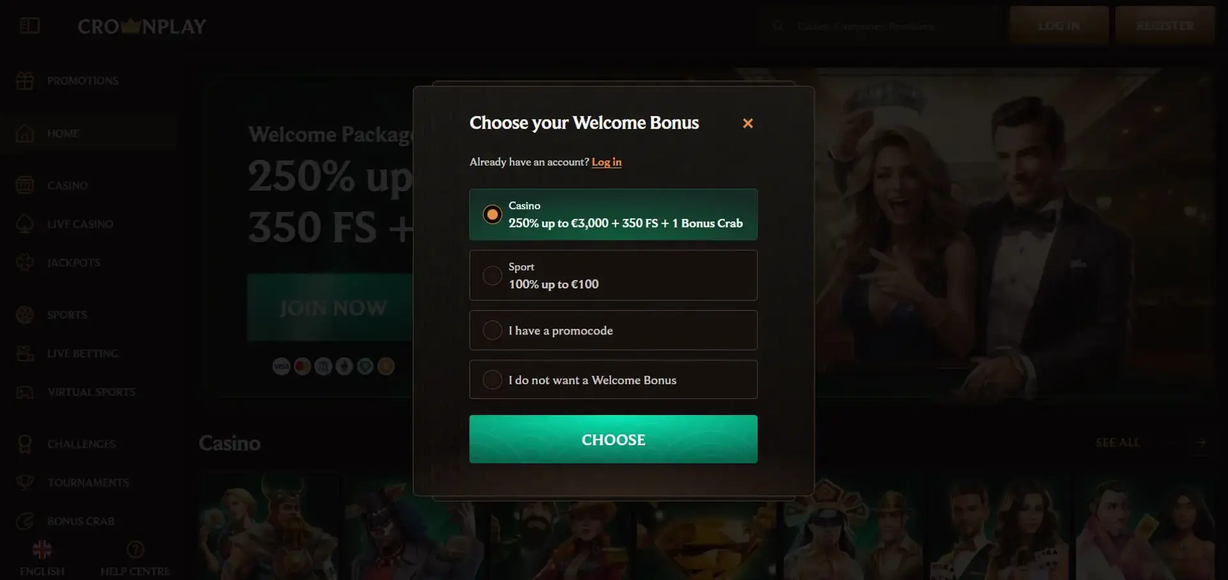
First Session: Bonus, Games, and a Timely Break

Imagine you just created the account and are tempted to test everything at once: bonuses, games, deposits, withdrawals, settings. Result: you no longer understand what depends on what. Do the opposite: start with a short session, with a clear budget, and observe how the platform behaves on your device.

If you use an offer, read the terms and conditions before activation, not after. Ask yourself a simple question: does this offer match my playing pace, or does it push me to stay longer than expected? And as soon as you feel fatigue or annoyance, take a break. A timeout of a few minutes can turn a session that goes off track into a controlled session.


Support and Troubleshooting: Resolve Without Getting Worn Out

Support is useful when you come with a clear request. Imagine writing “it doesn’t work”: you’ll get questions back, one by one, and you’ll waste time. On the other hand, if you precisely describe the step, the device, and what you see, you often get a more direct answer.

Before contacting support, do a simple diagnosis. Change networks if the page doesn’t load. Try a clean browser if the screen freezes. Check the keyboard language if the credentials seem “rejected” when you are sure. These are quick steps, and they prevent you from creating new problems out of impatience.

Another point: don’t turn a minor incident into a battle. If you’ve made multiple attempts, take a break, then try again cleanly. Security systems don’t like bursts, and neither do you.

When you write, send a mini-report: device, browser, connection type, approximate time, desired action, observed result. Add what you have already tried (network change, cache clearing, restart). This method gives support complete context, and saves you an endless exchange.

Finally, maintain adult logic: if you feel the session is becoming stressful, it’s not the time to “force” it. A break, returning later, and better-adjusted settings almost always save time - and peace of mind.

Frequently Asked Questions

Imagine trying to log in quickly, between two notifications, with a keyboard that has changed language: you’ll make multiple errors without understanding why. To avoid this, reduce variables: a single device, a single browser, a stable connection, then a clean attempt. If it fails, don’t go into a series of tries. Take a break, check the keyboard (caps lock, special characters), then use account recovery if necessary. Once inside, check active sessions and enable useful notifications, as they serve as a safety net when something seems abnormal.

It’s often linked to when you perform a sensitive action, not when you create the account. Imagine you’re playing calmly, then you want to make an important transaction: that’s when the system might ask for an additional check. The right reflex is to anticipate by completing information early, during a calm moment, rather than discovering the procedure when you’re in a hurry. Submit readable items once, avoid multiple versions, then wait for feedback. If something is unclear, contact support with precise details, this avoids unnecessary back-and-forth.

Imagine the page reloads right after validation: you doubt, you click again, and you lose track. The good habit is to read the final screen as a confirmation, then check the transaction history instead of repeating the action. Keep a stable payment method, re-read the amount and currency, and avoid depositing when the connection is unstable or the battery is low. After the operation, a single check in the history is often enough to reassure you. This simple discipline reduces errors and avoids turning a normal operation into a tracking problem.

On mobile, everything is faster, so the session can stretch out without you noticing. Imagine opening the platform "just for two minutes" during your commute: between loading times and distractions, you end up staying longer than planned. To keep a session short, set a goal before opening: check your balance, start a game, then exit. Activate a time reminder, use realistic limits, and apply a timeout as soon as you feel yourself acting automatically. The phone is excellent for control and planning, but it requires more discipline to stay in control of the pace.

Imagine sending a vague message: you'll receive questions, then more, and the problem will drag on. To get a quick answer, provide a mini-report: device, browser, connection type, approximate time, action you wanted to perform, and observed result. Add what you've already tried (changing network, clearing cache, restarting). A simple but complete description allows support to understand if the issue comes from the connection, the browser, or an account setting. The fewer unclear areas you leave, the more direct the response will be.

The classic mistake is setting a ceiling that's too strict, then ignoring it. Imagine setting an unrealistic limit: you'll exceed it or disable it, and the tool will lose its purpose. Choose limits that match your actual budget and pace, then add a time reminder. If you feel fatigue or annoyance, apply a timeout, even a short one. For a long break, self-exclusion can be useful, as it creates a clear distance. These options are for adult players who want to stay in control, not to judge themselves.

Imagine playing to "erase" a stressful day: your attention drops, you click faster, and you try to stay rather than choose. The warning sign is often a change in pace: you stop reading, you try again, you check every minute. At that moment, the best decision is a break. Come back later, when you are calm, and do a simple check: limits, history, notifications. Responsible gaming, in 2026, is mainly about this: the ability to stop cleanly, before turning a pastime into tension.