













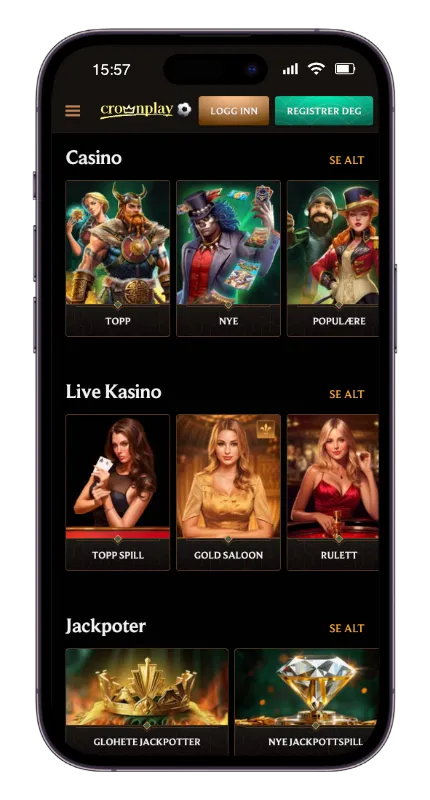
Crownplay Mobile In France: Daily Use

Available in France, Crownplay helps adults play on mobile in 2026 with settings, limits, payments, and support, stress-free.

Fortune Gems 2 Slot

Table of Contents

  • The Dog House Megaways Slot
  • Lucky Joker 10 Extra Gifts Slot
  • Sword of Ares Slot
  • Floating Dragon Hold & Spin Slot
  • Leprechaun Riches Slot
  • Fruit Cocktail Slot
  • The Dog House Megaways Slot
  • Sword of Ares Slot
  • Fruit Million Slot
  • The Dog House Megaways Slot
  • Fruit Box Slot
  • Big Fisherman Slot
  • Seven Books Unlimited Slot
  • Crownplay Fortune Slot
  • Sword of Ares Slot
  • Floating Dragon Hold & Spin Slot
  • 9 Mad Hats Slot
  • Floating Dragon Hold & Spin Slot
  • Big Bass Splash Slot
app 1

Getting Started on Phone: Install Without Mistakes

Before thinking about games, set the stage. On mobile, everything happens fast: a click, a confirmation, and you're already in the lobby. The useful reflex is the opposite: first account settings, then the session. This avoids input errors, double confirmations, and surprises at the checkout.

Imagine the scene: you're commuting, unstable network, and you want to "just test". You install, you open, then an update starts and you lose track. The right move is simple: do the installation when the connection is stable, then log in once, check that everything is synchronized, and only then play.

In 2026, the best mobile habit remains the same: one action at a time. Install, log in, set up, test. If you skip a step, you risk looking later for what you could have secured in two minutes.

Storage, Permissions, and Updates: The Trio to Check

On smartphones, permissions can change the experience. Notifications, storage, network access: these are details that become important when you want to track the status of an operation or find a confirmation. Enable only what helps you, not everything by default.

Imagine you turn off notifications, then wonder why you don't see any feedback on a request. Conversely, too many notifications push you to return by reflex. Keep a logic: useful alerts (security, operation status), the rest at a minimum.

Regarding updates, don't play "I'll see it later". An outdated version can cause screens to load poorly or confirmations to loop endlessly. Update, restart, then test a short session.
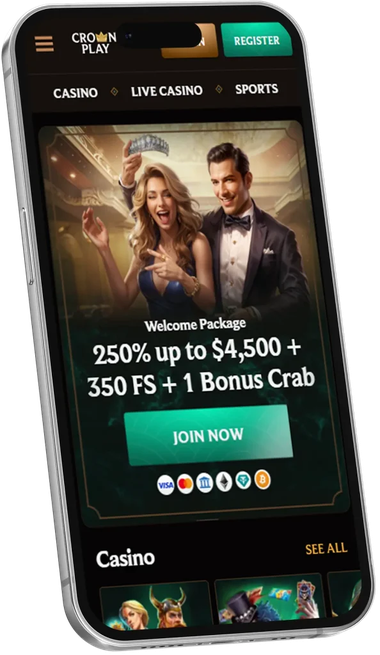
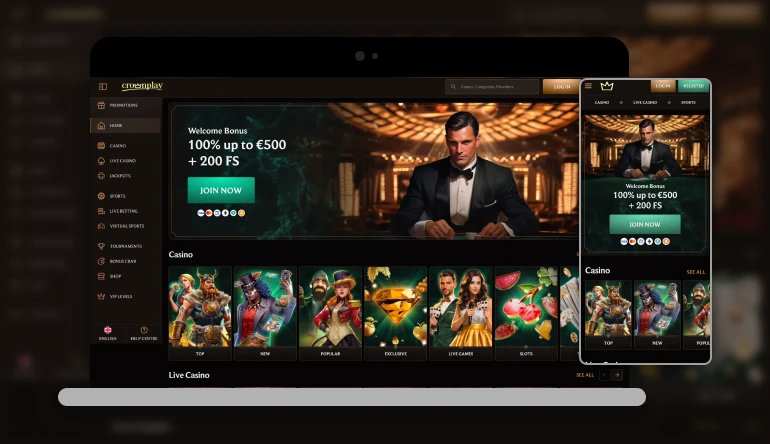
app 2

Crownplay Mobile App: First Login and Basic Routine

When you open the app for the first time, consider it a setup, not an entry into a casino. Start by checking your profile information, then activate your limits. The promise of an efficient mobile experience is clarity: if everything is ready, you play fast; if nothing is set up, you waste time.

Imagine logging into a new phone after a week without playing. You've forgotten your password, your security code, and you make three attempts in a row. Result: you get annoyed before even getting to the games. A simple routine avoids this: strong password, recovery method ready, and a single primary device for your sessions.

In France, the important point is to stay organized. Not with complicated rules, but with an order: account, limits, cashier, then games. You gain comfort and reduce bad decisions made "on impulse".

Session Settings: Time, Budget, Breaks

Limits are not a hindrance, they are safeguards. Set a deposit ceiling, a loss threshold, and a session time. On mobile, these three settings make a big difference, because your phone follows you everywhere and more easily puts you in automatic mode.

Imagine you have a busy evening and you start a session for "just five minutes". Without a timer, five minutes become thirty. With a timer, you have a clear signal to close, breathe, and decide whether to continue or not.

Add a break if you feel you're returning too often. A short interruption can be enough to break the impulse. The goal is not to punish you, but to make the return voluntary, not reflexive.

Crownplay Mobile: Navigation and Game Selection

On mobile, the classic mistake is to browse everything, get tired, and then click anywhere. Do the opposite: choose a session goal. Test two games, or stick to one. Want a smooth experience? Keep your journey simple.

app 3

Imagine you're in bed, small screen, low light. You switch games every two minutes and remember nothing. If you stick to a short selection, you'll understand the interface better, see where the rules are, and keep your attention on what you're doing.

In 2026, a good mobile session looks like this: one main game, one backup game, then stop. You avoid the 'infinite scroll' effect that tires you out and pushes you towards quick decisions.

Demo Mode, Micro-Tests, and Back to the Cashier

If you like to explore, do it with micro-tests. A few minutes, then back to the cashier or history to check that everything is clean. You don't need a marathon to know if an interface suits you.

Imagine you're testing a game and have a doubt about a previous action. If you immediately go back to the history, you clarify. If you continue without checking, you accumulate questions and end up annoyed.

Mobile encourages you to 'continue'. Your job is to create pauses. A quick return to the cashier after a test is a smart pause.

Mobile Payments: Deposits, Withdrawals, and Checks

The phone cashier requires deliberate slowness. Check the amount, the method, and the confirmation screen before validating. On mobile, a double tap or an unstable connection is enough to make you doubt what was sent.

Imagine you're on 4G, the screen freezes for a second, and you tap again. Then you no longer know if the operation went through. The best response isn't to restart: it's to open the history, check the status, and then act only if nothing appears.

For withdrawals, keep one principle: stable profile and consistent method. Avoid changing your information just before or just after a request. Stability simplifies almost everything.

Subject

What You Check

Where to Find It

Mobile Tip

Profile

Consistent and Validated Information

Account

Don't change during a request

Method

Same primary method

Cashier

Avoid constantly switching

History

Operation Status

Activity

Check before repeating an action

Limits

Budget and duration

Settings

Activate before the session

Security

Device and sessions

Security

Disconnect unknown devices

Small Test Deposit: Why It Works

A test deposit reduces stress. You check the checkout flow, validation time, and history consistency. Then, if everything is clear, you continue. If something bothers you, you correct it without pressure.

Imagine the opposite: you start with a large sum, then discover a verification detail or an additional confirmation. You feel "stuck" and make quick choices. With a test, you maintain control.

Withdrawal Request: Checklist Before Sending

Before sending a request, check three points: complete profile, ready method, and clear history. Then, send a single request, and wait for a status change before modifying anything.

Imagine sending two requests because you don't see the screen update. You create a confusing situation. On mobile, the safest action is to check the history, not repeat the action.

Smartphone Security: Account, Devices, Access

The phone is convenient, but it's also a shared, forgotten, sometimes lent object. Protect your account like a banking app: unique password, screen lock, and log out from devices you don't recognize.

Imagine logging into a friend's tablet "just once." You forget to log out. A week later, you no longer know if the session is still active. Make it a habit to close your sessions when you're done, especially on non-personal devices.

In 2026, mobile security relies on two things: reducing risks and reducing impulses. A well-protected account also means a calmer mind during the session.

Useful Notifications: Security And Statuses

Keep notifications that truly inform you: status changes, security alerts, confirmations. Turn off those that prompt you to return for no reason. You want to be informed, not drawn in.

Imagine receiving alerts every hour. You end up opening the app out of reflex, even when you don't intend to play. A notification should help you decide, not push you.

Support And Quick Resolution On Mobile

When something doesn't work, the most effective approach is to send a precise message. State what you did, when, on which device, and what you see on the screen. Support works better with facts than with emotions.

Imagine writing "it's bugging." You'll be asked ten questions. If you write "connection OK, checkout loaded, status pending after validation," you save time. On mobile, even note the approximate time: it helps to cross-reference the action.

Finally, keep a rule of calm. If you're annoyed, take a break. Coming back later with a clear description is better than ten quick attempts that create confusion.

How to Open a Ticket That Progresses

Write in three lines: action, result, expectation. Add the device type and app version if you see it. Avoid adding assumptions, stick to what is observable.

Imagine rereading your message tomorrow without context. If it's understandable tomorrow, it's understandable for support today. It's a simple rule that improves almost everything.

Frequently Asked Questions

Start with an installation on a stable connection, then log in for the first time without playing immediately. Imagine you're in a hurry: that's when you skip the settings and get lost afterward. Activate your limits, check your profile, then run a micro-test for a few minutes before a real session. This routine avoids impulsive decisions and makes mobile use simpler.

Close the app, check the connection, then restart after an update if available. Imagine you're on an unstable network: the screen might spin and push you to tap multiple times. The best response is to calmly restart, then check the history if you had an ongoing operation. If the problem returns, contact support with the time and device.

Validate slowly and always check the summary before confirmation. Imagine a double tap or a screen freeze: you no longer know if the action has been sent. Open the history to see the status, then act only if nothing appears. Keep a single primary method and avoid modifying your profile around a request, this reduces confusion.

Because testing immediately reveals if the screens, history, and cash register are working as you expect. Imagine spending thirty minutes, then discovering a forgotten setting detail: you get annoyed and make bad decisions. A few minutes of testing, followed by a status check, gives you a clear framework and allows you to choose calmly.

Keep only useful alerts and turn off those that prompt you back for no reason. Imagine your phone vibrating often: you open the app out of reflex, even without intention. Set a schedule or a session timer, and take a break if you feel the impulse. The goal is to return by choice, not by automatic habit.

Check that your profile is complete, that the method is ready, and that the history is clear. Imagine you are tired and send two requests because the screen is slow: you create a confusing situation. Send a single request, then wait for a status. Do not change your information during processing, and if something seems inconsistent, contact support with concrete details.

When you feel you are playing more out of tension than desire. Imagine a difficult day: you open the app to "unwind," then you lose track of time. A break cuts off the automatic habit and gives you back control. Return later with a clear objective, a defined budget, and a timer, so that mobile remains a practical tool and not an intrusive habit.